In the world of online reputation management, businesses are constantly seeking ways to improve their star ratings. One controversial strategy that often surfaces in these discussions is known as review gating. While it may seem like a clever way to boost a reputation, understanding the mechanics, risks, and regulations surrounding this practice is critical for any business owner.
What Is Review Gating?
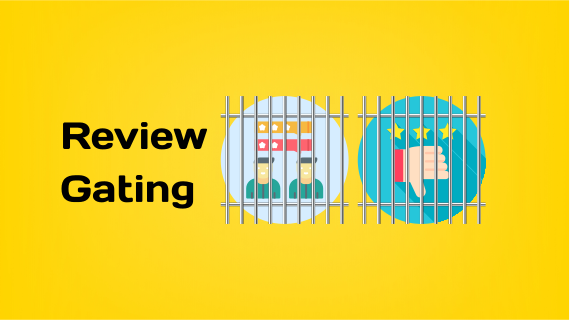
Review gating is a feedback filtering process. It involves creating a system where customers are pre-screened before they are asked to leave a public review. The core mechanism is simple. A business sends a private message asking the customer about their experience. If the customer responds positively, the system prompts them to post that feedback publicly on Google, Yelp, or Facebook. If the customer responds negatively, the system directs them to a private feedback form instead, ensuring their complaints never reach the public eye.
How It Works
The process typically follows a specific logic flow.
- The business sends an email or SMS asking: "How was your experience?"
- The customer selects an option, such as a thumbs up or a star rating.
- Scenario A (Positive): If the customer selects 4 or 5 stars, the system immediately provides a direct link to the Google Business Profile review page.
- Scenario B (Negative): If the customer selects 1, 2, or 3 stars, the system diverts them to a private internal form. This form asks for details on how the business can improve but does not provide links to public review platforms.
Discover Exactly How Much Money
Your Google Reviews Are Costing You
Free personalized scorecard • Takes 30 seconds • No card required
In 2 minutes you'll know:
Your hidden review velocity & trend arrow
How many recent 5★ reviews are buried
Exact $ amount you're losing monthly
The Perceived Benefits
The primary appeal of this strategy is obvious. It artificially inflates the average star rating of a business. By systematically suppressing negative voices, a company can present a nearly flawless public image. This can lead to higher conversion rates in the short term, as potential customers see an overwhelming number of 5 star reviews and assume the business is perfect.
Is It Legal?
The legality of review gating is becoming increasingly strict. In the United States, the Federal Trade Commission (FTC) has taken a firm stance against it. The FTC views review gating as a form of deceptive advertising. By suppressing negative reviews, a business is misrepresenting customer sentiment. This misrepresentation distorts the market and misleads consumers. Major enforcement actions, such as the case against Fashion Nova, established that suppressing negative reviews can result in millions of dollars in fines. While it might not lead to jail time, the financial penalties for deceptive trade practices are severe.






Platform Policies
Beyond federal laws, review gating is a direct violation of the Terms of Service for most major review platforms.
Google: In 2018, Google explicitly updated its policy to ban review gating. Their guidelines state that businesses must not discourage or prohibit negative reviews or selectively solicit positive reviews from customers.
Yelp: Yelp has historically had the strictest policies, prohibiting businesses from even asking for reviews, let alone gating them.
TripAdvisor: They also classify review gating as fraud and will penalize listings that utilize it.
The Consequences of Gating
Review Removal: Google may delete all reviews that were acquired during the period the gating system was active. This can strip a business of years of accumulated social proof overnight.
Account Suspension: Repeated violations can lead to the permanent suspension of the Google Business Profile, removing the business from Google Maps entirely.
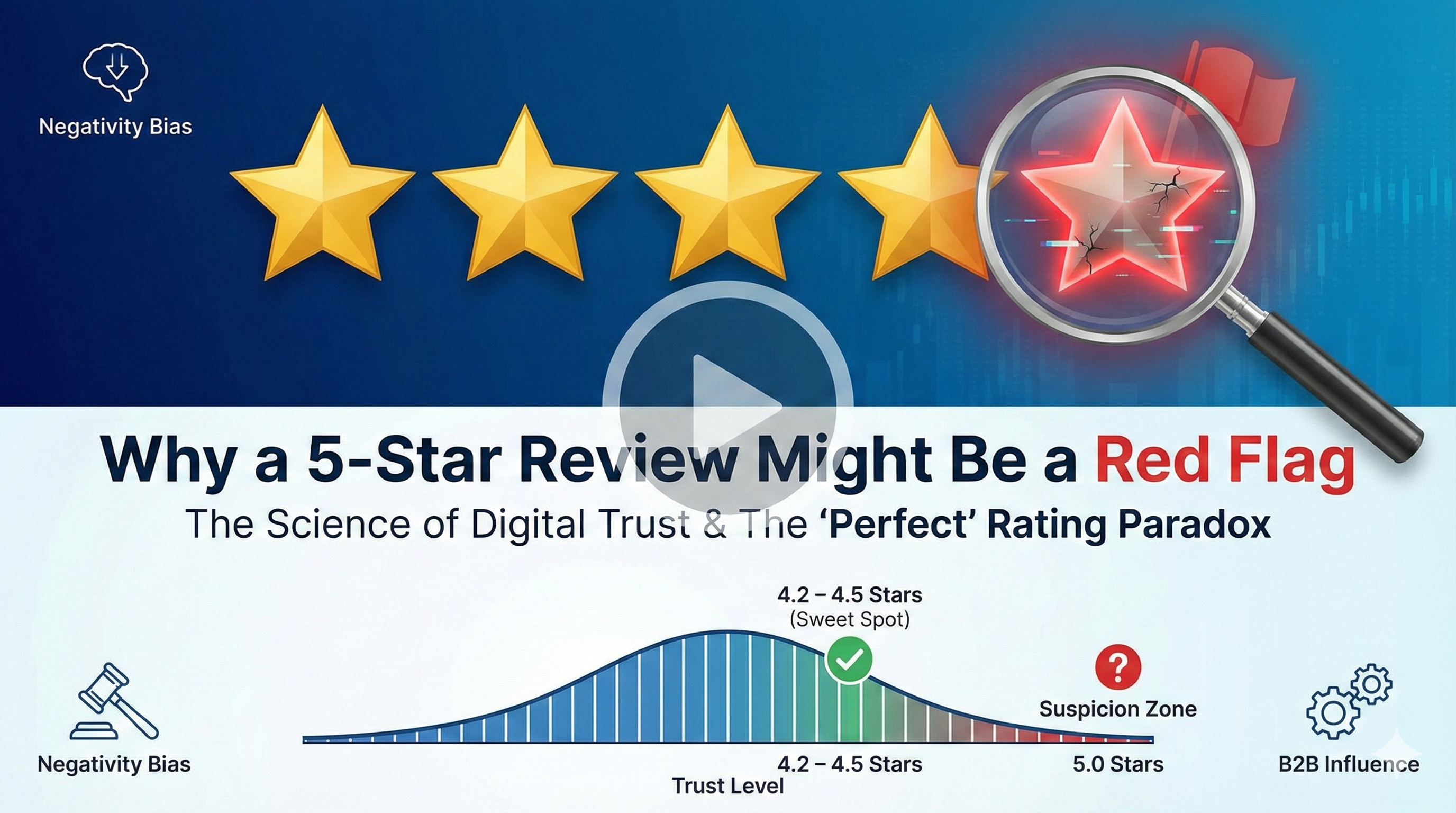
Consumer Distrust: Modern consumers are savvy. A business with hundreds of 5 star reviews and zero complaints often looks suspicious. When customers realize the reviews are manipulated, trust is lost permanently.
Is It Recommended?
No, review gating is not recommended. The risks significantly outweigh the rewards. While it might tempt business owners who are afraid of negative feedback, it builds a reputation on a fragile foundation. A single whistleblower or a competitor noticing the pattern can report the practice to Google or the FTC, leading to catastrophic results for the brand.
A Better Approach
The most sustainable strategy is to solicit reviews from all customers indiscriminately. While this inevitably leads to some negative feedback, it also builds a resilient and authentic profile. A business with a 4.7 star rating and a few handled complaints looks more trustworthy than a business with a fake 5.0 rating. Furthermore, responding publicly to negative reviews is often more powerful than hiding them, as it demonstrates customer service excellence to future buyers.
Summary
Review gating creates a false reality. It creates legal liability under the FTC and violates the contracts businesses hold with platforms like Google. For a SaaS platform like SyncMyReviews, the ethical and safe path is to help clients generate authentic reviews from all customers, ensuring long term compliance and trust.
Boost Your Business's Online Trust and Growth
SyncMyReviews: The Simple Way to Manage and Improve Your Online Credibility.