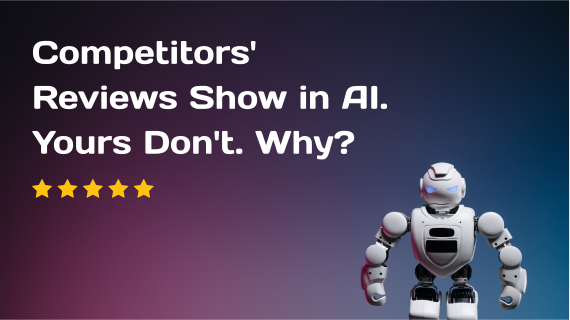
In the rapidly evolving world of online search, a quiet shift is reshaping how products and businesses gain visibility. When consumers turn to Google or other AI-powered engines with queries like "best wireless headphones under $100" or "ergonomic office chair reviews," the results often highlight star ratings, snippets of customer feedback, and aggregated scores pulled directly from certain websites. More often than not, those prominent reviews belong to your competitors. Your own customer testimonials, carefully collected and displayed on your site, remain invisible to the AI. They simply do not appear in these generative overviews or rich snippets.
Review optimization
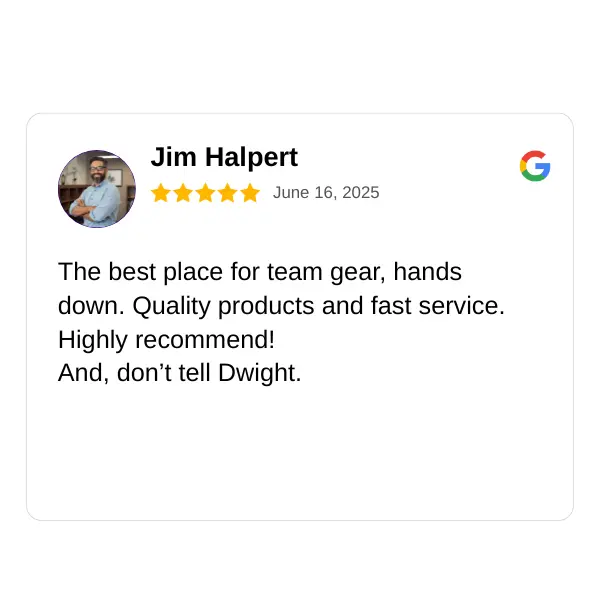
This phenomenon frustrates countless e-commerce owners and marketers. You have invested in gathering authentic reviews, showcasing them with attractive widgets and star graphics to build trust with human visitors. Yet, when AI systems synthesize recommendations, your feedback is overlooked entirely. The reason boils down to a fundamental mismatch: your reviews are optimized for people, while your competitors' reviews are structured as verifiable data that machines can trust and cite.
Boost Your Business's Online Trust and Growth
SyncMyReviews: The Simple Way to Manage and Improve Your Online Credibility.
Review Structured Data
This gap represents more than a minor technical oversight. As AI-driven search experiences, like Google's Search Generative Experience, become the primary way users discover products, failing to make reviews machine-readable translates directly into lost traffic, fewer clicks, and diminished revenue. Industry studies reveal that websites properly implementing review structured data enjoy click-through rate (CTR) increases of 20 to 35 percent. In some categories, rich snippets featuring star ratings command up to 87 percent of clicks. Conversely, the majority of sites, around 70 percent, lack this markup, rendering their reviews irrelevant to algorithms that prioritize verifiability.
The time is now
The core issue lies in how reviews exist on most websites today. For years, businesses have treated customer feedback as visual social proof: eye-catching star images, testimonial carousels, embedded widgets from third-party platforms, or quoted snippets in marketing copy. These elements persuade human shoppers effectively, influencing purchase decisions through emotional resonance and perceived credibility. However, to an AI crawler or large language model, they register as unstructured decoration, unverifiable claims that cannot be cross-checked or aggregated with confidence.
AggregateRating schemas
In contrast, competitors who dominate AI results have transformed their reviews into structured data using schema.org markup, specifically the Review and AggregateRating schemas. Delivered via JSON-LD scripts in the page code, this markup provides explicit metadata: the overall rating value, the number of reviews, individual reviewer details, publication dates, and rating breakdowns. What appears identical to a human visitor stars, text, and counts, becomes a trusted dataset for machines. AI systems can now confirm consistency, extract quotes accurately, and feature these reviews in overviews because they meet the threshold for reliability.
Feed signals into Google Business Profile
This distinction extends to two primary types of reviews that matter in search ecosystems. First, there are organization or company-level reviews, which apply to the business as a whole. These typically tie into LocalBusiness or Organization schema and feed signals into Google Business Profile, Maps, and local search packs. Searches for a brand name or service queries like "dentists near me" pull from this data when properly marked up. Second, product-specific reviews use Product schema with embedded Review items. These power appearances in Google Shopping tabs, comparison engines, and product-focused generative results. The principles remain the same across both: without structured data, even thousands of glowing testimonials count for nothing in the eyes of AI.
Discover Exactly How Much Money
Your Google Reviews Are Costing You
Free personalized scorecard • Takes 30 seconds • No card required
In 2 minutes you'll know:
Your hidden review velocity & trend arrow
How many recent 5★ reviews are buried
Exact $ amount you're losing monthly
Rotten Tomatoes Case
The urgency of this problem has intensified as search evolves from traditional blue links to AI-synthesized answers. Modern algorithms no longer merely index content; they verify it before recommending. When evaluating a product, AI implicitly asks whether claims of high satisfaction are backed by markup that matches visible elements, whether ratings align across sources, and whether feedback comes from confirmed purchasers. Unmarked reviews fail these checks, getting discarded in favor of competitors whose data passes muster. Evidence from real-world implementations underscores the stakes. For instance, the review aggregation site Rotten Tomatoes implemented schema across 100,000 pages and saw a 25 percent lift in click-through rates almost immediately. Broader research shows rich results with reviews attract 58 percent of clicks compared to just 41 percent for standard listings.
Implementation JSON-LD
Addressing this requires a deliberate shift from treating reviews as mere decoration to positioning them as core data assets. The implementation process, while technical, follows clear best practices. Begin by adding AggregateRating schema to capture overall scores: specify the ratingValue (such as 4.7 out of 5), the total reviewCount or ratingCount, and bounding values like bestRating and worstRating. Pair this with individual Review objects containing author names, datePublished, reviewBody text, and nested reviewRating details. JSON-LD remains the preferred format for its ease of injection into page headers without altering visible design.
Fake it until you make it! Wrong!
Crucially, the structured data must mirror exactly what users see on the page. Any discrepancy mismatched star counts, inflated ratings, or hidden reviews triggers algorithmic penalties or outright ignoring of the markup. For sites relying on third-party platforms like Trustpilot, Yotpo, or Bazaarvoice, syndicating reviews back to product pages for direct markup is essential. Alternatives include using aggregate-only markup with links to the external platform or ensuring the widget itself outputs valid schema. Faking or marking up invisible content invites severe consequences, as search engines enforce strict policies against misrepresentation






The payoff
The payoffs from these changes appear quickly and substantially. An outdoor gear retailer that added review schema to 5,000 product pages reported a 32 percent increase in organic traffic and 28 percent higher click-through rates within 60 days, alongside a 9 percent conversion uplift. A consumer electronics brand applying the markup to 40 percent of its catalog achieved a 53 percent revenue boost from search traffic. Across broader samples, sites gaining review-rich snippets see traffic growth of 25 to 40 percent over 90 days, with starred pages converting 12 percent better on average.
Behind the scene
Beyond immediate search gains, machine-readable reviews create compounding advantages across channels. They enable star ratings in Shopping ads, inform voice assistant responses, enhance listings on marketplaces, and ensure consistent signaling when AI aggregates data for buying guides. In an era where generative engines might compile "top 10" lists or comparison tables, verifiable reviews position your products as default inclusions. None of this requires sacrificing the human element that makes reviews compelling. Structured data operates invisibly behind the scenes, preserving authentic stories, photos, and emotional narratives that drive real connections. The most successful brands master this dual optimization: feeding precise data to algorithms while delivering resonant experiences to people.
SyncMyReviews
If this gap exists on your site and it likely does for most, the path forward starts with a controlled experiment. Select ten high-performing product pages with robust existing reviews. Implement full Review and AggregateRating schema, validate through Google's Rich Results Test tool, ensure perfect alignment with displayed content, and add a handful of review derived FAQs. Establish baselines in Search Console for impressions, clicks, and positions. Reassess after 30 to 60 days. In the vast majority of cases, the results speak clearly: marked improvements in visibility and performance that scale as you expand coverage.
As AI continues reshaping discovery, reviews that remain human-only artifacts will fade into irrelevance. Those transformed into trusted, verifiable data will power the next generation of winners in search and commerce. The choice is straightforward: adapt your reviews to speak the language of machines, or watch competitors claim the AI spotlight that should rightfully include your brand's story.
Boost Your Business's Online Trust and Growth
SyncMyReviews: The Simple Way to Manage and Improve Your Online Credibility.